


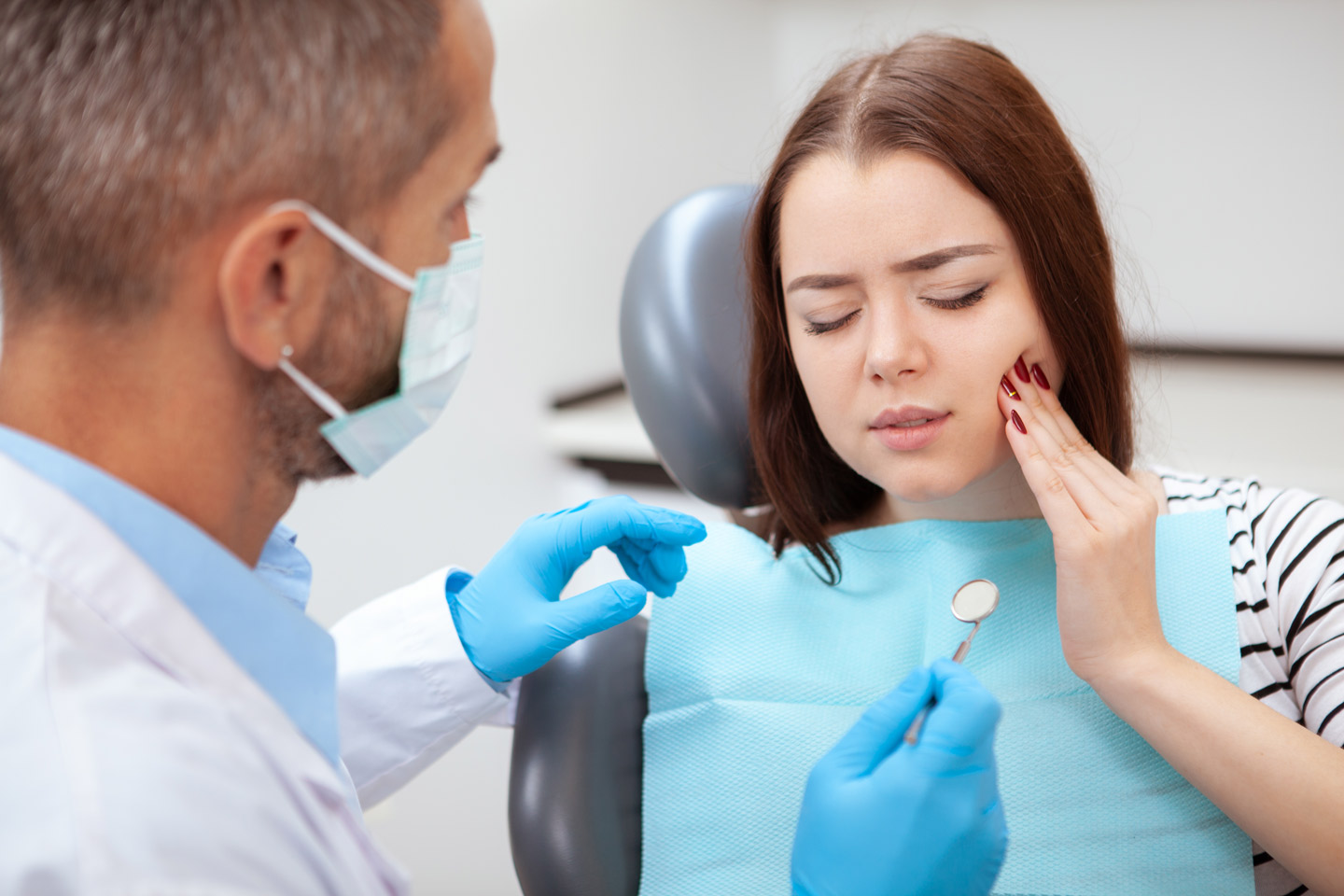
Emergency dental care provides prompt treatment for severe tooth pain, dental injuries, infections, lost restorations, and other urgent oral health concerns. During the visit, a dental provider will evaluate the problem and recommend appropriate treatment. Here is what to expect during an emergency dental care visit:
Sharing Emergency Details
Your emergency dental care visit begins when you describe the problem to the dental team. Staff will ask about your symptoms, how long they have lasted, and any events that triggered them, such as an accident or a sudden change in a tooth. This information helps the team decide how quickly you need to be seen and which specialist should treat you. Here are some key details you will share when you check in:
- Medical history: List current medications, allergies, and existing conditions, because these details influence which treatments are safe for you.
- Pain description: Explain where the discomfort is located and how severe it feels, which guides the dentist toward the source.
- Recent dental work: Mention any recent procedures, since a new filling or crown may be linked to your current issue.
These answers give the dental team a clear starting point, and they allow the evaluation to move forward efficiently.
Completing a Dental Evaluation
Once your details are recorded, the dentist performs a focused examination of the affected area. The dentist inspects your teeth, gums, and surrounding tissue, and this step often includes checking your bite and testing sensitivity. A quick visual review usually happens first, though deeper problems may require more tools to confirm what is happening below the surface.
Diagnostic imaging often supports the evaluation during emergency dental care. Dentists frequently take X-rays to see fractures, infections, or damage that the eye cannot detect. These images provide a precise view of the situation, and they help the dentist distinguish among dental issues.
Receiving Immediate Dental Care
After the diagnosis, the dentist addresses the most urgent aspect of your condition first. Immediate care focuses on relieving discomfort, controlling any bleeding, and stabilizing the affected tooth or tissue. Here are several treatments the dentist may recommend:
- Repairing a chipped or cracked tooth: Dentists may smooth or rebuild the tooth to restore its shape and function.
- Treating an infection: The dentist may clean the area and address the source of the infection to prevent it from spreading.
- Reinserting a knocked-out tooth: Quick action can improve the outcome, so the dentist works to stabilize the tooth when possible.
- Managing a lost filling or crown: A temporary or permanent restoration may protect the exposed area.
These procedures address the pressing concern and prepare you for any follow-up care your situation requires.
Understanding Treatment and Next Steps
Before you leave, the dentist reviews what happened during the visit and outlines what comes next. You will learn which treatment you received, why it was chosen, and how it fits into your long-term dental health. The dentist may also provide instructions for care at home. You may receive guidance on eating, cleaning the area, or managing discomfort, and following these steps supports a smooth recovery. Make sure to ask questions if any instructions are unclear. Follow-up appointments often complete the aftercare process. Some emergencies require a single visit, while others need further treatment to finish repairs or monitor healing.
Schedule Your Emergency Dental Care Appointment
Emergency dentistry requires you to share your details, complete an evaluation, and receive immediate treatment. Understanding this process helps you prepare for urgent issues, and it allows you to focus on getting prompt care. Timely intervention promotes optimal recovery and long-term oral health. Contact a qualified dentist in your area to schedule your emergency dental care appointment.
