


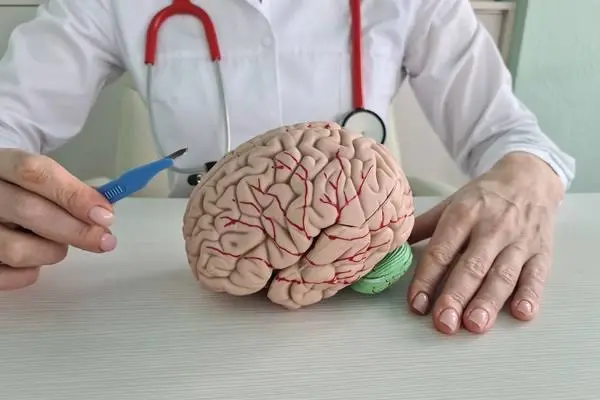
Neurological disorders often affect memory, movement, communication, concentration, and other abilities that influence daily work responsibilities. Individuals can contribute effectively while managing their health needs with appropriate medical care, workplace support, and reasonable adjustments. Here is more information on how to navigate neurological disorders in the workplace:
Recognizing Workplace Challenges
Neurological disorders create challenges that are not always visible to coworkers or managers. Fatigue, memory gaps, and trouble focusing may appear, and these effects can change from day to day. Some symptoms affect physical tasks, while others affect communication or concentration. Common workplace challenges include the following:
- Reduced focus: Tasks that need long concentration may take more effort, so breaking them into smaller steps helps.
- Physical fatigue: Energy often drops quickly; short rest breaks may restore your stamina.
- Sensory sensitivity: Bright lights or loud sounds may trigger discomfort, so a quieter location may ease the strain.
Recognizing these patterns early gives you a clear starting point for the support you may need.
Requesting Reasonable Support
Employees with neurological disorders often qualify for workplace adjustments. These changes, often called reasonable accommodations, help you perform your job without removing core duties. You do not need to share every detail of your condition, but a brief, honest conversation with human resources may help you access helpful options.
Start by listing the specific tasks that are difficult, and then match each one to a possible solution. You may request a flexible schedule, a quieter desk, or written instructions to support your memory. Clear requests are easier to approve, so keep your explanations practical and focused. It is also helpful to bring documentation when you ask for support. A note from a healthcare provider can confirm your needs and give your employer a basis for decisions.
Managing Symptoms at Work
Daily habits can impact how well you handle symptoms at work. The following strategies can help you manage symptoms during the workday:
- Schedule short breaks: Brief pauses reduce strain, and they can prevent fatigue from building up.
- Use reminders: Phone alerts or written notes support memory, so key tasks do not slip away.
- Stay hydrated and eat well: Regular food keeps energy levels stable, which helps you focus longer.
- Prepare your workspace: Adjustable lighting and a tidy desk often reduce distractions and ease sensory stress.
Open communication also supports daily management. When you alert a trusted manager about your needs, they can plan tasks around your active hours.
Protecting Career and Well-Being
Your career is a long journey, and planning ahead protects your future. Neurological disorders may change over time, so flexible goals serve you better than rigid ones. Contemplate where you want to be in a few years, and then build the skills that align with that goal.
Regular check-ins with your employer keep your support up to date. Needs evolve; a plan that worked last year may need updates today. Caring for your health outside work also strengthens your career. Regular sleep, movement, and stress management can support your daily performance, and they help you stay engaged.
Get Care for Neurological Disorders
Maintaining your health and adapting to changing needs are key to long-term career success. Regularly reviewing your accommodations and building strong support systems can make sure they remain effective and aligned with your current circumstances. Contact a qualified healthcare provider near you to schedule your appointment and get expert care for neurological disorders today.
