


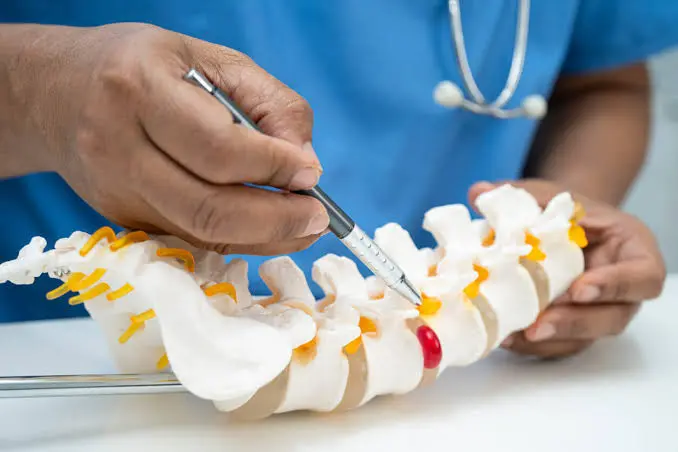
If you face spinal surgery, the approach your surgeon uses matters. Traditional open surgery requires large incisions, but minimally invasive surgery uses smaller ones. Your surgeon can reach the spine through tiny openings. Your body experiences less disruption during the procedure.
Protect Surrounding Tissue
Minimally invasive surgery limits damage to the muscles and tissue near your spine. Surgeons use small incisions, so they avoid cutting through large areas of muscle. Because the tools pass through tiny openings, you experience reduced trauma, and your tissue stays more intact than with open surgery. Minimally invasive methods avoid some strain, so your supporting muscles keep more of their natural strength. Smaller incisions also mean reduced scarring. Your skin heals with less visible marking. Since the wound is small, the area that must close is limited. This careful approach protects the structures that support your back every day.
Reduce Surgical Risks
Smaller incisions lower several risks tied to spinal procedures. Because the tools work through tiny openings, fewer blood vessels are disturbed, and that limited exposure helps your body stay more stable throughout surgery. A small wound gives bacteria fewer ways to enter, so your body has less to defend against during healing. Minimally invasive techniques reduce these risks in several ways:
- Less blood loss, which lowers the chance that you will need a transfusion
- Reduced risk of infection from a smaller, less exposed surgical site
- Lower overall risk of surgical complications and follow-up procedures
- A possible option to avoid general anesthesia in some cases
The operation disturbs less tissue, so your surgeon can work with greater precision. Some procedures suit patients who react poorly to general anesthesia. Because lighter sedation is sometimes possible, your surgeon may have more flexibility when planning your care. Lighter anesthesia can also shorten the time you spend recovering from sedation. Since your body processes less medication, you may feel more alert soon after the procedure ends.
Improve Your Recovery Process
Recovery may move faster after minimally invasive surgery. Because the body sustains less damage, you may experience reduced pain. Your need for medication after surgery may decrease too. Since you rely less on pain relief, you may feel clearer and more comfortable as you heal. A shorter hospital stay supports a quicker return to daily life, so discuss the timeline with your provider. Because you spend less time resting in bed, your risk of stiffness or weakness drops as well. Less tissue must heal, so the entire process tends to be more manageable. Because the body recovers steadily, you can often follow a smoother rehabilitation plan with your care team.
For some patients, this approach changes what is possible. Open surgery carries risks that certain health conditions make difficult to accept. Older patients, or those with heart or lung concerns, may not tolerate long procedures or heavy anesthesia. The smaller incisions and lighter sedation place less strain on the body. Since the procedure disturbs less tissue, your surgeon can treat more conditions. This option can open a path forward when others seem closed. It offers options that earlier methods do not provide, so you can have a personalized procedure.
Discuss Minimally Invasive Surgery
Every spinal disorder is different, and the right approach depends on your specific condition. Ask your surgeon whether minimally invasive surgery fits your needs. Because they know your medical history, they can guide you toward the safest choice. Schedule a consultation today.
