


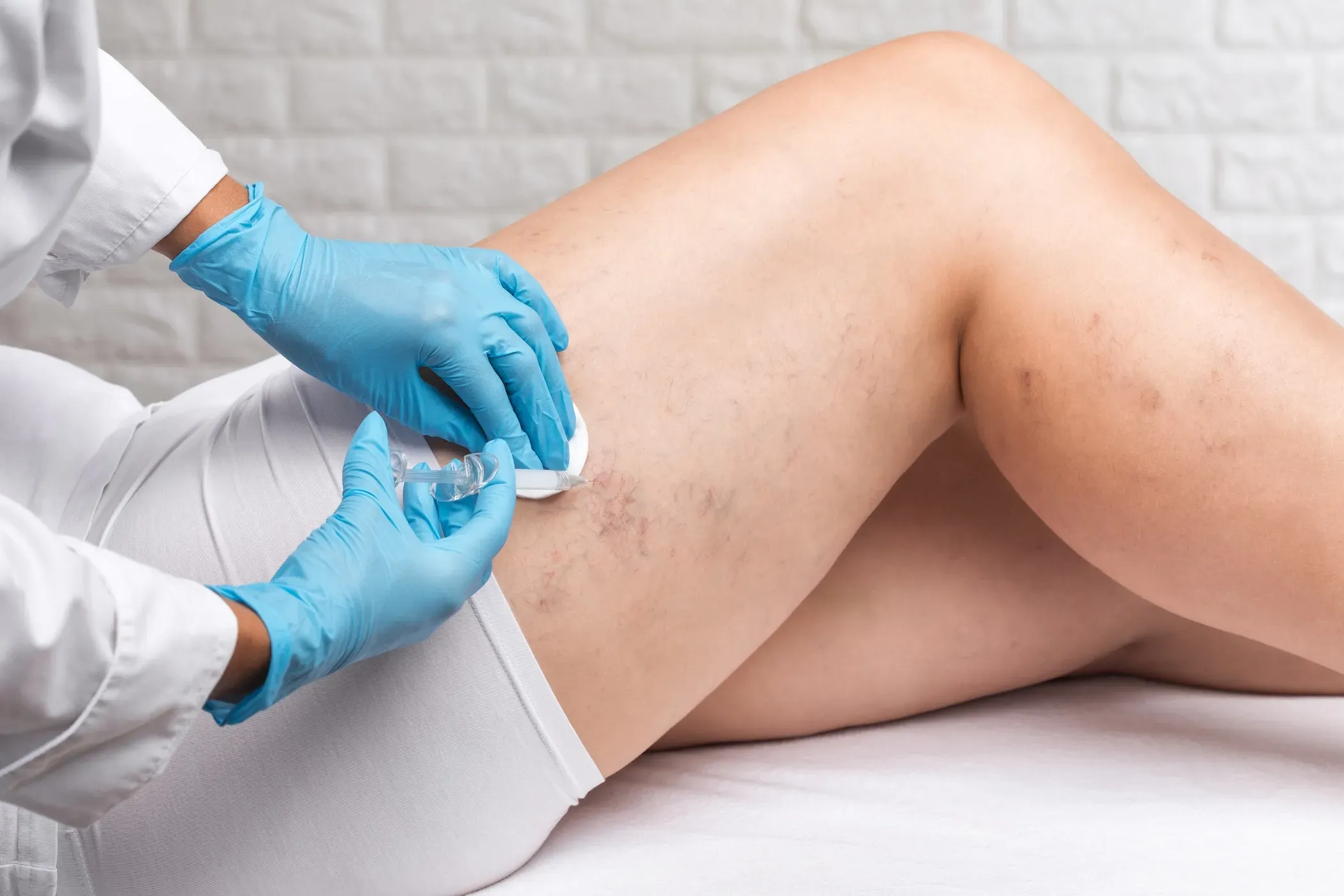
A vein clinic provides evaluation and care for conditions that affect circulation, vein function, and leg comfort. Supportive therapies can manage symptoms such as swelling, aching, heaviness, and visible vein changes. Here are some supportive therapies offered at your local vein care clinic:
Recognizing Symptoms That Therapies Address
A vein clinic works with patients who experience a variety of physical symptoms related to venous function. The following are common conditions and complaints that prompt people to seek evaluation:
- Leg heaviness and fatigue: Patients often report a persistent feeling of weight or fatigue in the legs.
- Swelling in the lower legs and ankles: Fluid can accumulate when veins do not circulate blood effectively, causing visible puffiness around the ankles and feet.
- Visible varicose or spider veins: Enlarged, twisted, or web-like veins beneath the skin surface are among recognizable signs.
- Aching or throbbing sensations: A dull ache or throbbing feeling along the legs, especially toward the end of the day, is frequently reported by patients.
Identifying these symptoms early and seeking a professional evaluation at a vein care clinic gives patients a clear picture of their venous health.
Supporting Lifestyle Changes
Compression therapy is one of the widely used and well-established approaches in vein care. Medical-grade compression stockings apply pressure to the lower leg, which helps move blood upward toward the heart. A vein clinic professional can recommend the correct compression level based on a patient’s specific circumstances, and proper fit is a key factor in how well this therapy works.
Lifestyle adjustments play a fundamental role alongside compression support. Regular physical activity activates the calf muscles, which act as a natural pump for venous blood flow. Maintaining a healthy body weight and elevating the legs when resting are helpful practices that complement clinical care. A vein clinic team typically reviews these habits with patients during the evaluation process, as daily routines can directly affect symptom management.
Exploring Treatment Options
When compression and lifestyle support alone do not resolve symptoms, a vein clinic may recommend a minimally invasive procedure. These treatments are performed on an outpatient basis, typically require little to no downtime, and target specific veins directly. The following are procedures commonly offered:
- Sclerotherapy: A solution is injected directly into the affected vein, causing it to collapse and gradually fade.
- Endovenous laser treatment (EVLT): A thin laser fiber is inserted into the vein, and heat energy closes it from the inside.
- Radiofrequency ablation (RFA): Similar to laser treatment, RFA uses controlled radiofrequency energy to close off an affected vein, redirecting blood flow to healthier vessels.
- Ambulatory phlebectomy: Small varicose veins close to the skin surface are removed through tiny incisions in a single outpatient session.
Each of these procedures has specific applications, and a vein care clinic provider will determine which option suits a patient’s anatomy and symptom profile.
Preventing Future Issues
After any vein treatment, consistent follow-up care helps track progress and detect changes early. Vein clinic protocols often include post-procedure appointments to assess healing and confirm that treated veins have responded as expected. Patients are usually asked to continue wearing compression stockings for a set period following a procedure.
Prevention is a key part of long-term vein health. Even after successful treatment, new veins can develop over time, especially when contributing factors like genetics, occupation, or lifestyle remain present. A vein care clinic team can outline a preventive plan that includes routine check-ins, compression use, and activity guidelines.
Visit a Local Vein Clinic
Supportive therapies at a vein clinic span a broad range often include minimally invasive procedures and structured follow-up care. Each component of this approach targets specific aspects of venous function, and together they form a coordinated plan for managing symptoms. Contact a local vein clinic to schedule your appointment today.
