


When patients seek orthodontic treatment, they may be able to choose from various options. Common options include metal braces, invisible braces, and clear aligners. These options achieve similar results, but the experiences of wearing them can differ greatly. Here is more information about three different options to straighten your teeth:
Exploring Orthodontic Treatment
There are three common options for straightening teeth, and patients often elect to straighten their teeth for aesthetic or health reasons. An orthodontist can straighten your teeth into a more aligned bite pattern and close gaps that tend to collect food particles. Orthodontists can administer metal braces, invisible braces, or aligner therapy to adults and adolescents. When choosing a teeth straightening therapy, you can evaluate your needs and lifestyle habits to determine which option will meet your needs.
Reviewing Metal Braces
Traditional metal braces consist of stainless steel brackets and wires. Since these components apply steady pressure, they shift teeth into their proper positions over time. Patients receive regular adjustments, and the orthodontist monitors the progress closely. The metal hardware is durable and fixed in place for the duration of the treatment.
Metal braces achieve results for even complex cases with multiple issues:
- They correct severe crowding.
- They fix deep bite issues.
- They close large gaps between teeth.
To maintain the appliance over the duration of the treatment, patients must avoid sticky or very hard foods, and they should brush after every meal. Flossing requires specialized tools to floss around the brackets. Regular brushing is one habit that prevents plaque buildup around the brackets.
Analyzing Invisible Braces
Ceramic braces, also called invisible braces, function just like metal braces, but they feature tooth-colored brackets. Their ceramic brackets blend with teeth and have a less noticeable appearance while achieving the same results as metal braces. Patients who require a more discreet appliance may choose invisible braces.
The brackets use a strong composite material. While they are durable and resist staining, they do still require regular cleaning with a toothbrush. Patients should brush after meals, and they can floss using specialized tools to maneuver around the brackets.
Evaluating Clear Aligners
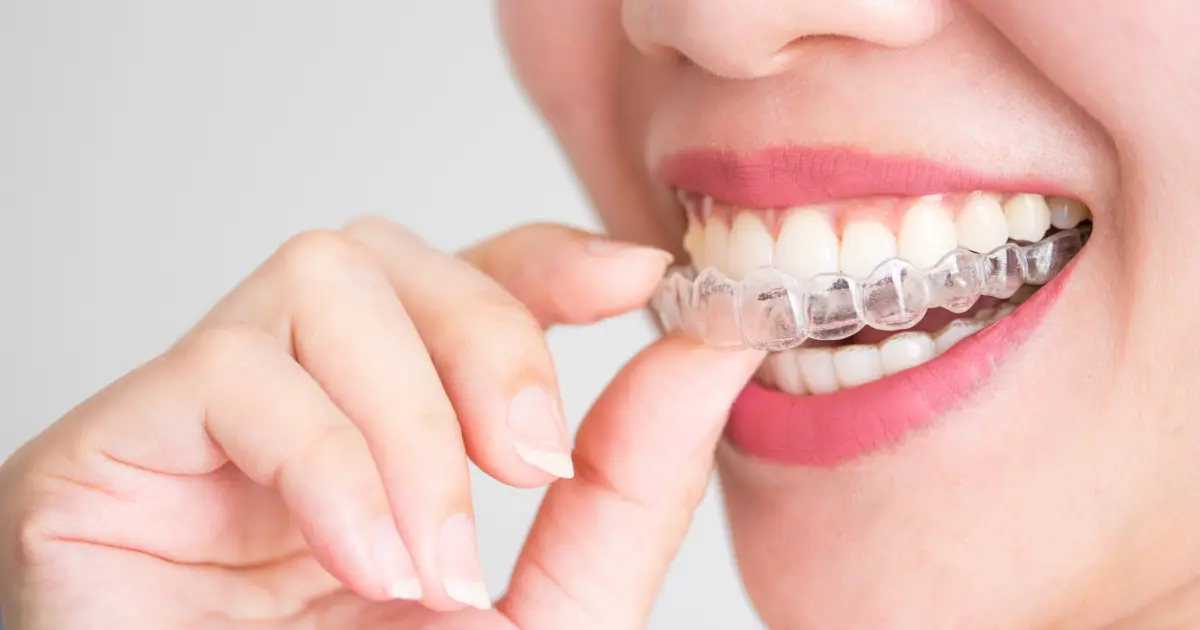
Clear aligners are custom-made plastic trays. The patient wears a series of aligners that gently move the teeth into alignment. These removable trays enable patients to eat and perform oral hygiene routines with no changes. The smooth plastic avoids the irritation caused by metal wires; each tray is custom-made for the patient’s mouth and designed to steadily move the teeth into the planned alignment over the treatment period.
Here are some potential benefits of choosing clear aligners to straighten your teeth:
- You can remove them to eat meals.
- You brush and floss without obstructions.
- They achieve similar results as braces for suitable candidates.
- They are a discrete option.
Aligners require the wearer to keep the aligners on their teeth for at least 22 hours a day to achieve the expected results. Compliance is a major factor in the success of clear aligner therapy.
Your orthodontist will track the movements during brief checkups. You change to a new tray every week or two, so your teeth progress steadily. The treatment concludes when you wear the final tray. After completing treatment, you will receive a retainer, and this device maintains your new alignment when worn each night for the foreseeable future.
Learn More About Orthodontics
Orthodontic appliances address a variety of dental concerns, and they can improve overall oral health and aesthetics. For patients who value their current dietary and hygiene habits going unchanged, clear aligners may be beneficial. Some patients may benefit from the fixed nature of metal or ceramic braces. If you want to learn more about the benefits of braces or clear aligners, consult an orthodontist near you.
