


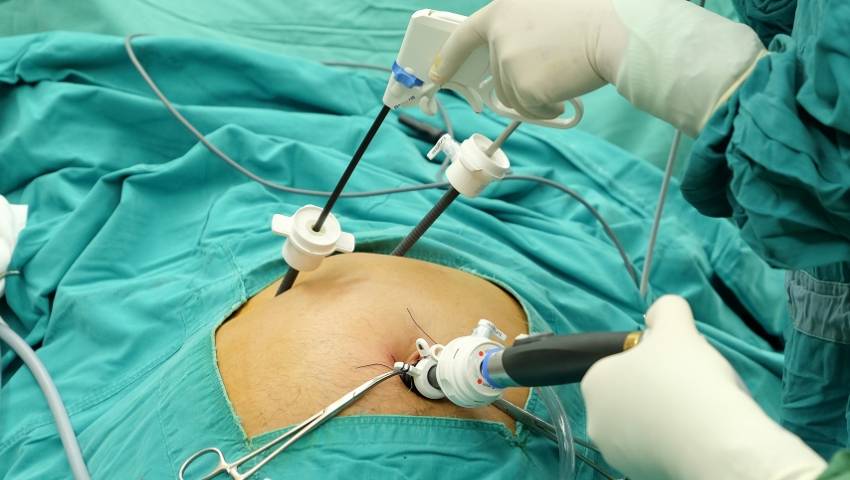
Gallbladder removal is used to treat conditions such as gallstones, inflammation, infection, or bile duct obstruction. Although the gallbladder stores bile, the liver still produces enough bile for digestion after surgery, so many people digest food normally without it. Even so, many people hear misleading claims about what life is like after the procedure. Here are some common myths about gallbladder removal debunked:
You Will Have Permanent Digestive Issues
Gallbladder surgery can affect digestion initially, but it usually doesn’t cause permanent issues. Some people notice temporary changes in bowel habits, bloating, or mild stomach upset after surgery. Those often occur as the body adjusts to a steadier flow of bile into the small intestine.
For many patients, digestion improves once the diseased gallbladder is gone. Symptoms related to gallstones, inflammation, or blocked ducts no longer cause the same pattern of pain and nausea. If digestive symptoms continue, another digestive condition may be involved, and a doctor will complete an additional examination.
You Can’t Digest Fat After Surgery
Fat digestion does not stop after gallbladder removal. The liver still produces bile, which helps break down dietary fat. The bile drips steadily into the intestine instead of being stored in the gallbladder and released in larger amounts. During early recovery, some people eat smaller meals and lower-fat foods; this helps reduce strain on the digestive system. Over time, many patients return to a typical diet based on their doctor’s advice and their own tolerance.
Recovery Is Long and Painful
Recovery is often shorter than many people expect. Laparoscopic gallbladder removal uses small incisions, which results in less pain and faster healing than open surgery. Many patients go home the same day or after a short hospital stay. Surgical method, age, general health, and prior infection all affect healing timelines. Some people return to light activity within days, but others need more time before exercise or full work duties.
Pain is also often manageable for patients, although it can feel more intense in the first day or two after surgery. Soreness near the incisions is common, and fatigue may also occur during this early recovery period. Many patients recover steadily when they follow their discharge instructions and attend follow-up care.
Only the Stones Need To Be Removed
Gallstones are hardened bile deposits, and they can block bile ducts, causing intense pain. These stones form when the gallbladder is not functioning properly or bile is imbalanced. Removing the stones often leaves behind the same organ conditions that allowed them to develop. New stones form, and symptoms may return. That is why surgeons remove the gallbladder instead of extracting stones. The goal is to address the diseased organ, not just one result of that disease. Treatment decisions depend on imaging, symptoms, medical history, and the presence of infection or blockage.
Schedule Gallbladder Removal
Myths about gallbladder removal often create confusion about digestion, diet, pain, and recovery time. Many post-surgery changes are temporary, and treatment aims to fix the underlying problem rather than one symptom. If you may need this procedure, speak with a qualified surgeon about your symptoms, test results, and treatment options. Ask what type of surgery is planned and what diet changes are typical after the procedure. Schedule a gallbladder removal consultation with a general surgeon today.
