


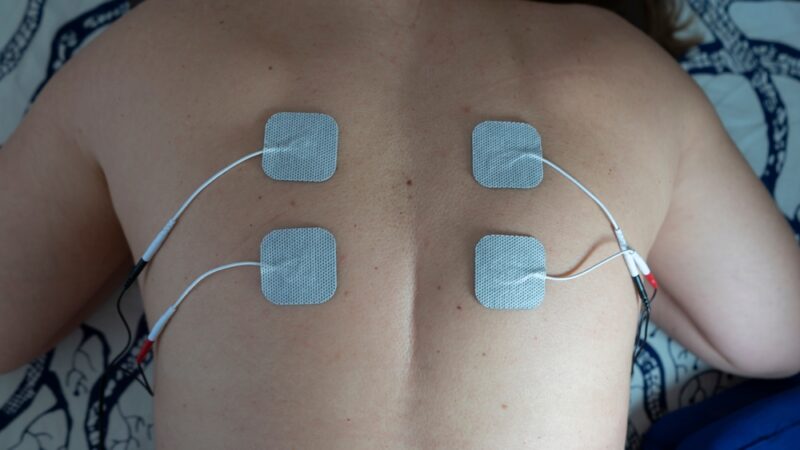
Spinal cord stimulation (SCS) is a pain management method that uses a small implanted device to send mild electrical pulses to the spinal cord. These pulses change how pain signals travel to the brain, and it is often used for long-lasting nerve pain. Before implantation, many patients complete a trial period to see how the system works in daily life. Here are some ways SCS helps transform pain management:
Masks Pain Signals
Pain begins when nerves send messages through the spinal cord to the brain, and SCS interferes with part of that signal pathway. Instead of removing the source of pain, the device changes how the nervous system processes the message. This can lower the intensity of pain patients feel during routine activities.
The device is placed under the skin, and thin wires are positioned near the spinal cord. Once activated, the system delivers electrical impulses at settings tailored to the patient’s pain pattern. Some devices create a tingling sensation, while others are designed to work without it. The goal is to alter pain transmission rather than cure a spinal condition.
This approach is often used after less invasive treatments have not provided enough relief. A physician may review pain history and current function before deciding if a trial is appropriate. That process helps match the treatment to the type and location of pain.
Reduces Opioid Reliance
When opioid medications are used for chronic pain, they often become part of a long-term treatment plan. These drugs can cause side effects such as drowsiness, constipation, and mental clouding. Some patients develop tolerance over time, and this makes ongoing pain management more challenging.
Spinal cord stimulation offers another option within a broader pain management plan. If pain levels decrease with stimulation, some patients will use less medication. Reducing dose levels may be a treatment goal for patients and physicians, and it helps lower overall drug burden. A pain specialist will review current prescriptions, pain severity, and prior response to non-drug therapies. In many cases, spinal cord stimulation is one part of a larger strategy that also includes physical therapy or injections.
Provides Customizable Control
Not every pain condition behaves the same way. Some symptoms remain localized, but others spread to the lower back, legs, or feet. As a result, SCS systems have adjustable settings. Patients use a handheld controller to change programs within the limits set by their physician. This allows the stimulation to match different times of day, body positions, or activity levels. This flexibility makes the system more responsive to daily life. Some systems also offer recharge-free batteries, and others use rechargeable units with longer service life. Certain models allow MRI access under defined conditions. These details matter when selecting a device for long-term use.
Learn More About Spinal Cord Stimulation
Spinal cord stimulation is a structured treatment for chronic pain. Some patients respond well to other therapies, but others still experience persistent pain that limits daily function. A medical evaluation is used to determine whether a patient is a good candidate for an SCS trial before implantation is finalized. Contact a pain management clinic today to schedule an assessment.
