


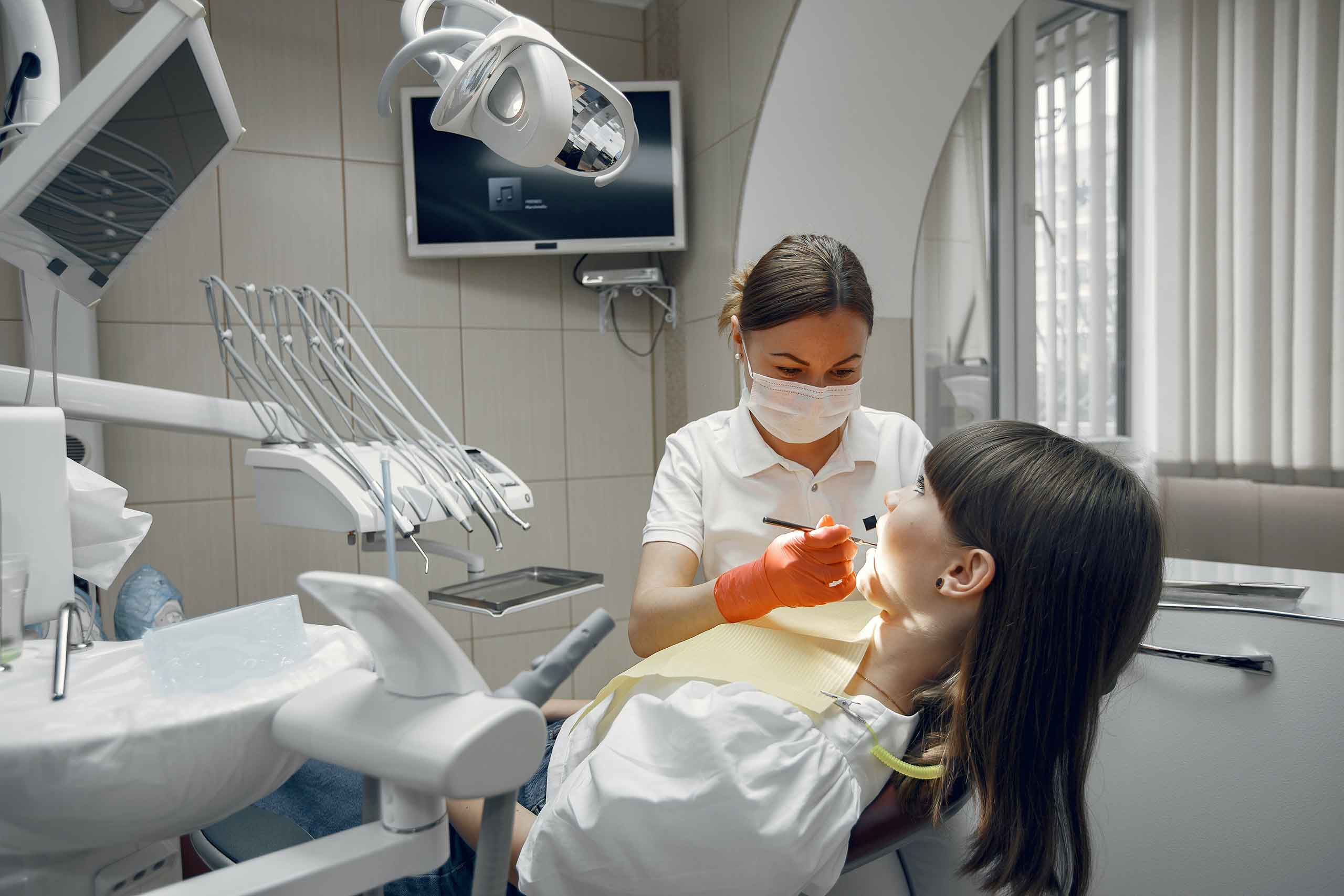
Dentists function as medical professionals who diagnose oral diseases, treat structural dental conditions, and manage the overall health of the mouth and jaw. These trained practitioners complete years of rigorous academic schooling and clinical rotations before they open private clinics or join established medical groups for patient care. They inspect teeth for signs of early decay, evaluate surrounding gum tissues for structural integrity, and formulate specific treatment plans based on objective clinical findings. The daily operations of a typical dental practice involve diagnosing pathologies, repairing minor or severe tooth damage, and maintaining comprehensive diagnostic records of patient visits over extended periods.
Dental Cleanings
Registered dental hygienists use tools to clean off plaque and hardened material on the surfaces of teeth. They polish the teeth with an abrasive paste, and they floss between every tooth to remove any lingering debris. Because persistent tartar solidifies against the gum line over time, professionals use these specialized instruments for cleaning the teeth.
The dentist examines the oral cavity, and an assistant records any findings in a patient’s chart. If X-rays reveal cavities or other issues, the provider can plan a treatment plan. They can schedule a filling appointment for patients with cavities. Regular diagnostic visits establish a history of any changes in the mouth.
After the cleaning, a dentist may coat the teeth with a synthetic fluoride to strengthen the teeth. Patients can schedule a subsequent visit well in advance for their next regular cleaning. The dentist may provide instructions to the patient on how to care for their teeth, and some dental offices offer a complimentary toothbrush.
Cosmetic Treatments
Clinical dentists can evaluate patients for desired cosmetic treatments. These treatments may include whitening, when a concentrated peroxide bleaching agent is applied to discolored enamel surfaces. A dentist can permanently attach custom-made porcelain veneers to the visible front sections of incisors. These elective cosmetic procedures alter the standard visual appearance of an individual’s smile without modifying mechanical function. When specific patients request a different tooth shape or color matching, the designated provider discusses specific treatment plans.
Specialized Care
Dental offices may offer specialized treatments. They can perform intricate root canal treatments for teeth that are severely infected or damaged. While teeth cleaning helps keep teeth healthy, restorative dentistry rebuilds damage teeth to help the patient’s mouth function properly. A patient’s mouth is evaluated, and dentists can use a variety of methods to restore damaged or missing teeth.
Surgical dental implants replace missing roots, and the inserted titanium posts fuse with the surrounding natural jawbone material. A custom tooth prosthetic is placed over the post. If a patient is looking for a less invasive method, a dental bridge inserts a prosthetic tooth using the strength of surrounding teeth. For other, severe cases, a dentist can recommend other treatment plans, including oral surgery if necessary.
Clear aligners are a popular orthodontic solution for correcting dental misalignments in a discreet way. Made from medical-grade plastic, these retainers are custom-fit over the teeth to guide them into the desired positions. Unlike traditional braces, clear aligners are virtually invisible, making them an appealing choice for those seeking a more inconspicuous treatment option. They are also removable, allowing patients to maintain normal oral hygiene and eating routines.
Book a Dentist Appointment
Whether you’re looking for a routine dental cleaning or specialized care, a dentist’s office can help. A dentist is able to assess your oral health and answer any questions you may have about oral hygiene or treatment procedures. Call a dental clinic to book an appointment.
