


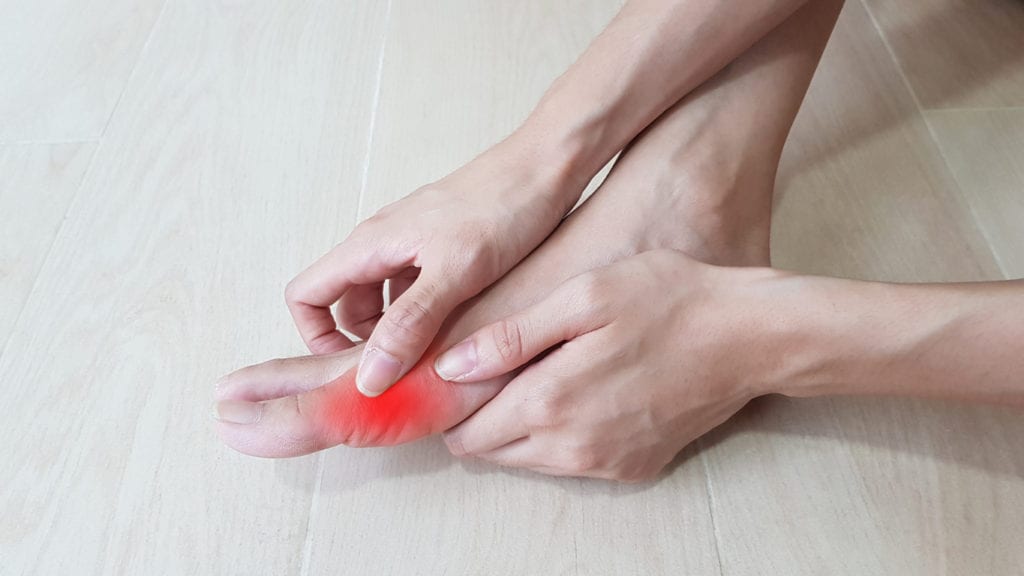
Bunions develop slowly, and many people notice them only after discomfort sets in. A bunion is a bony bump that forms at the base of your big toe. When you understand what triggers this change, you make better choices about your foot care. Here are some of the main causes and the signs to watch for:
Primary Causes
A bunion forms when the joint at the base of your big toe shifts out of place. Several factors contribute to this shift, and they often work together over many years. Pressure on the joint pushes the toe inward, which slowly changes the shape of your foot. Some causes you control, while others stem from your body’s natural structure.
Understanding these causes helps you spot your own risk early. The most common contributors include:
- Family history of foot problems
- Shoes that are tight or narrow
- Arthritis in the foot joints
- Foot injuries that alter alignment
Each factor adds stress to the toe joint over time. You might have one cause, or you might have several at once.
Genetic Factors
Your foot shape often comes from the family you were born into. Family history influences the structure of your bones, and that structure affects how weight is distributed across your feet. If your parents had bunions, you face a higher chance of developing them too. Flat feet and loose ligaments also pass through families.
These inherited traits do not guarantee a bunion will form. They raise your risk, but daily habits still play a role. When you know your family history, you watch your feet more closely. Early attention gives you time to adjust your footwear and habits.
Improper Footwear
Shoes that crowd your toes place steady pressure on the big toe joint. Narrow toe boxes squeeze the toes together, and high heels shift your weight forward. Over months and years, this pressure pushes the big toe toward the others. The result may be a gradual change in joint alignment.
You reduce this pressure when you choose shoes with room for your toes. Look for these features when you shop:
- Wide toe box
- Low or moderate heel height
- Firm arch support
- Soft, flexible material
Footwear alone does not always cause a bunion, but it speeds the process for many people. Comfortable shoes lower the daily strain on your joints.
Primary Symptoms
A bunion announces itself through a visible bump at the base of the big toe. The skin over the bump typically turns red, and it may feel sore after long periods of standing. Many people notice stiffness when they try to move their toes. Pain tends to grow as the joint shifts further out of place.
Other signs appear as the condition advances. Swelling around the joint is common, and corns may form where toes rub together. You might also struggle to find shoes that fit without discomfort. When these symptoms interfere with daily walking, a professional exam helps you understand the next steps.
Tracking your symptoms gives a podiatrist useful details. Note when the pain started, how often it occurs, and what activities trigger it. This record supports a clearer picture of your foot health.
Schedule Bunion Treatments Near You
Bunions typically don’t improve without attention, and the joint change tends to continue over time. A podiatrist examines your foot, reviews your symptoms, and explains the options available to you. Early evaluation gives you more options to work with. Take the next step toward clearer answers about your foot health, and call an office today to schedule an appointment with a foot care specialist.
