


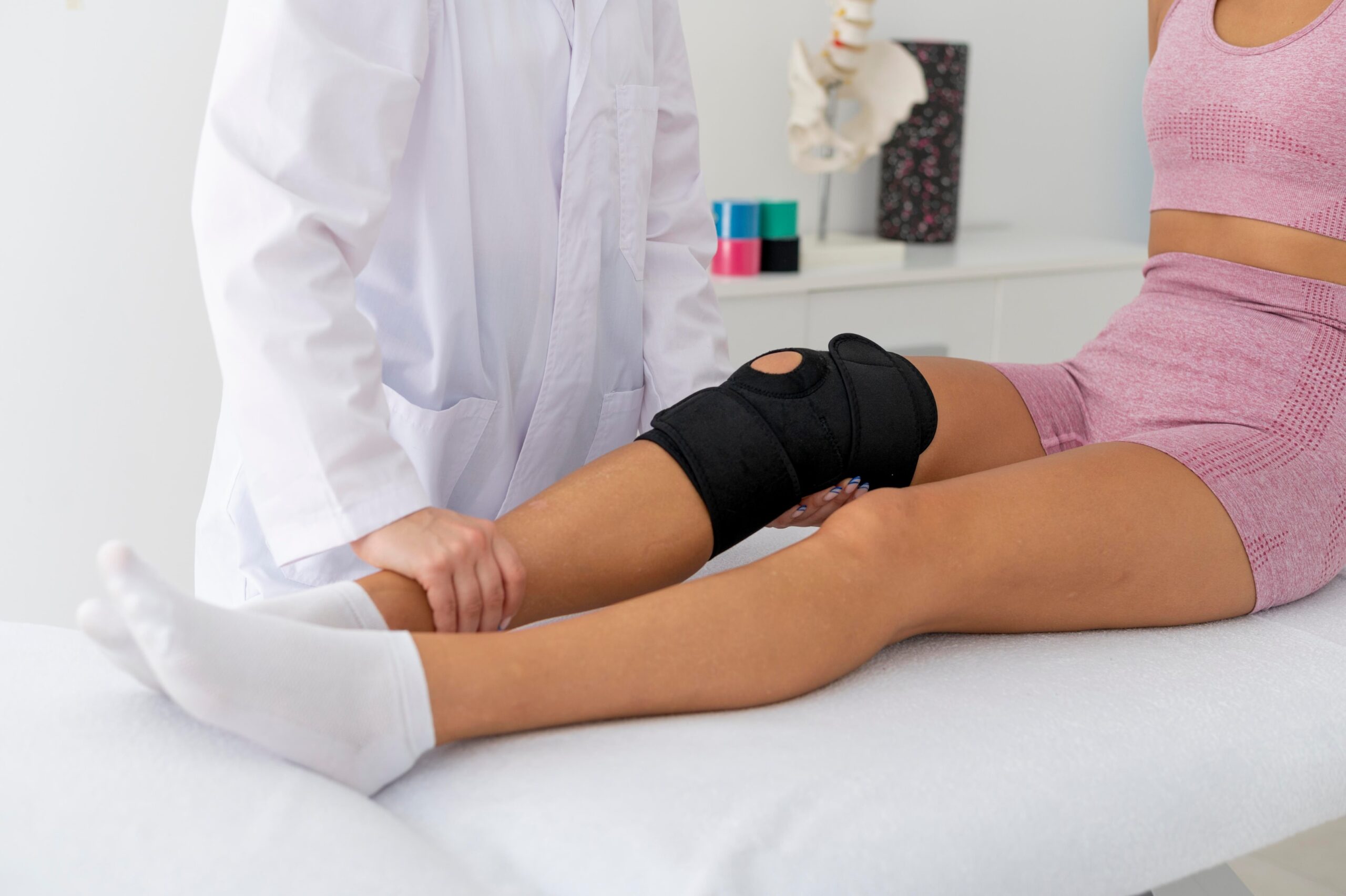
An ACL tear affects how your knee moves and bears weight. Your treatment depends on the grade of your tear, and other knee damage can change your care plan too. Since several methods help you manage pain and protect your knee, knowing your options matters.
Recommended Rest and Recovery
Rest comes first, and you should avoid the activity that caused your ACL tear. Don’t overuse your knee while it heals, because added stress slows your progress and lengthens your recovery. Step away from sports and any movement that strains the joint. You may be tempted to test your knee early. Patience protects the tissue and supports healing.
Plan quiet days into your routine. Give yourself permission to slow down, so your knee can repair itself. Rest also sets the stage for the other steps, since a calm joint responds better to ice, compression, and elevation. Never place ice directly on your skin, because the cold can cause irritation if it touches you for too long. Repeat this a few times each day, since some people notice less swelling.
Helpful Support and Stability Tools
You wear it during daily activities, since it supports the joint while you heal, though your provider decides how long you need it. Fit the brace snugly around your knee, since a loose brace shifts and offers less support. You may wear it for several weeks, but your provider adjusts the timeline based on your tear and your progress. These tools serve different purposes, but both protect your knee. Here is how each one helps during recovery:
- Crutches reduce the weight your knee carries and help in the early days when weight-bearing is risky.
- A brace steadies the joint and limits harmful movements once you begin daily tasks again.
You may use crutches first, then add a brace as you start to move more. The two work in stages. Use them as directed, and they can help you avoid setbacks while keeping you steady on your feet. Pay attention to how your knee responds, and adjust your use with your provider’s guidance. Together, these tools lower the strain on your joint, and they give your knee the stability it needs during recovery.
Practical Pain Relief Options
Pain management keeps you comfortable during recovery. Over-the-counter medicine offers a practical option for many people. You can use NSAIDs, such as nonsteroidal anti-inflammatory drugs, or acetaminophen, to ease discomfort. These medicines work best when you pair them with rest, ice, compression, and elevation, since each step supports the others. Take them when pain interferes with your daily tasks or your sleep, because steady relief helps you stay comfortable. You do not need a prescription for these options, but you should still use them with care and attention. Some people cannot use NSAIDs due to stomach issues or other health concerns, and acetaminophen gives them a gentler option. Read the label before you take any medicine, and follow the dosing instructions closely.
Treat your ACL tear Today
Your ACL tear needs a plan built around your specific injury, so your steps will be individualized. The RICE method, crutches, a brace, and over-the-counter pain medicine each support your recovery in a different way. Treatments vary by grade and by other knee damage, so what works for one person may differ for you. Talk with your provider to confirm which methods fit your tear. You can take action today, and the right support will help you protect your knee while it heals.
