


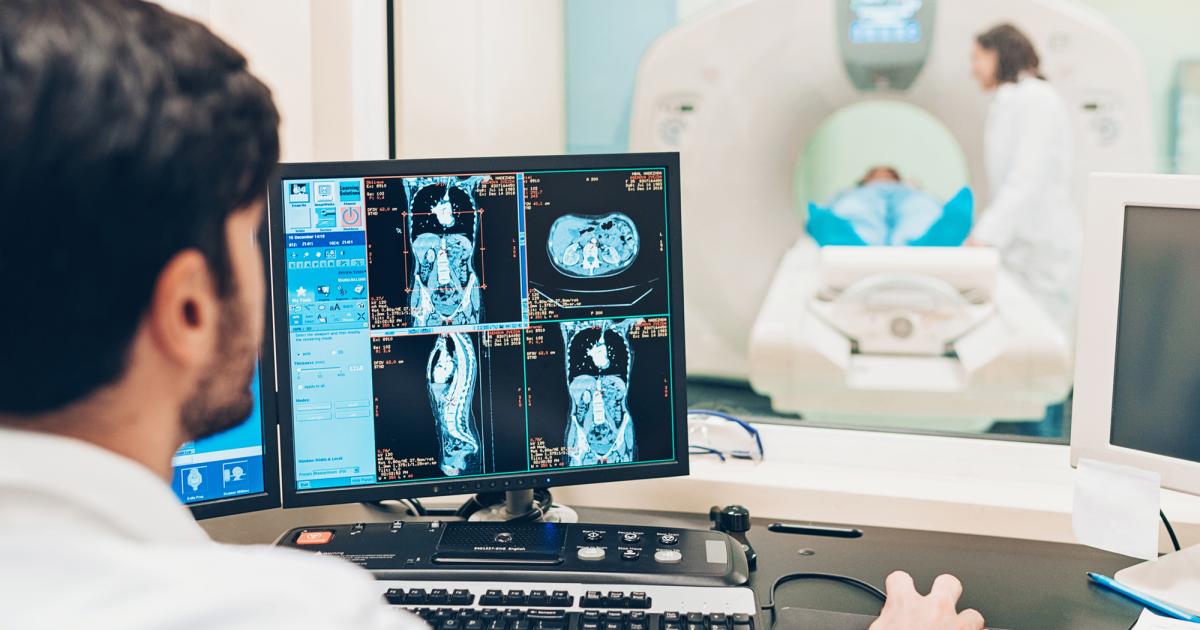
Nuclear medicine is a highly specialized clinical field. Medical practitioners administer minute amounts of targeted radioactive medication to patients either through an injection or a pill, and sensitive cameras capture the resulting activity. Because these advanced diagnostic imaging techniques reveal cellular function within the body, medical professionals can detect microscopic changes to organs early.
Nuclear Neurology Scans
Neurologists may rely on nuclear medicine imaging techniques for brain mapping, and these scans provide data regarding overall brain health. A kind of test called high-resolution positron emission tomography evaluates blood flow across regions of the brain and nervous system. When a neurology patient has a procedure including a tracer, the advanced scan tracks the absorption of the radioactive tracers across various distinct anatomical regions.
Another test, called single-photon emission computed tomography, produces detailed three-dimensional neurological models of the brain. This diagnostic method highlights abnormal cellular interactions, and it helps physicians locate the origin of potential seizures within the brain. The emitted radiology rays are measured during the entire scanning procedure. Although both modalities utilize radioactive tracers, doctors select specific imaging protocols depending on the diagnostic requirements for the individual.
Diagnostic Processes
Since some neurological diseases alter brain function, early nuclear imaging can identify abnormalities before severe symptoms begin. Diseases like Alzheimer’s disease predictably manifest with distinct patterns that can be found with early testing. Trained neuroradiologists analyze metabolic signatures carefully, and outpatient neurology clinics proceed with appropriate medical interventions. Early treatment can reduce the progression of neurological disease.
Parkinson’s disease damages specific pathways deep within the brain, so neurology specialists routinely utilize nuclear imaging for precise disorder evaluation. The specially formulated radioactive medication binds to the structures that are used within the brain, and the external scanning equipment records the exact distribution of the medication over a period of several hours. The resulting images can be used to differentiate progressive neurodegenerative disorders from less severe issues.
Brain tumors can be difficult for neurologists to diagnose, but nuclear imaging is one method that helps with diagnosis more reliably than some other tests. Because cancer cells often absorb radioactive medication more rapidly than other cells, this method of diagnosis can help identify tumor growth more accurately. Traditional testing, like MRI, displays the structure of the brain, but nuclear medicine testing scans the brain to confirm activity within the brain. Neurosurgeons use this methodical mapping process to find the precises location of the tumor. Knowing where the tumor is determines how treatment can proceed, including surgery or radiation treatment.
Treatment Planning
Clinical neuroscience physicians use advanced functional nuclear imaging with comprehensive neurological therapeutic management strategies. If a patient requires radiation therapy for a tumor within the brain, these maps guide the delivery of therapeutic agents. The oncology team calculates treatment doses precisely, and they monitor the patient’s neural response over several appointments.
Other neurological issues may be met with other kinds of treatment. Because such treatments are individualized, nuclear medicine is helpful to create unique plans to address neurological disorders. Some conditions may respond well to medication, and others may require different sorts of treatment. A doctor can discuss options with their patients to find what will work for their conditions.
Schedule a Nuclear Medicine Appointment
A nuclear medicine clinic is dedicated to aiding in the diagnostic process, and physicians regularly use these methods for their patients. By using nuclear diagnostic procedures, physicians can find early signs of neurological disease. Schedule an appointment to consult with a physician about nuclear diagnostic testing.
